Within a Casting Foundry: The Soul of Metal Manufacturing
Inside a metal casting facility, activities occur that are crucial to the manufacturing of metals. Smelting furnaces convert alloys into molten states, while skilled laborers manage intricate molds. Automated systems serve a critical function, enhancing efficiency and sustainability. However, the sector faces numerous challenges that could impact its future. Examining these factors uncovers more than mere manufacturing processes; it highlights a complex interplay of established practices and modern advancements. What the future holds for this fundamental field?
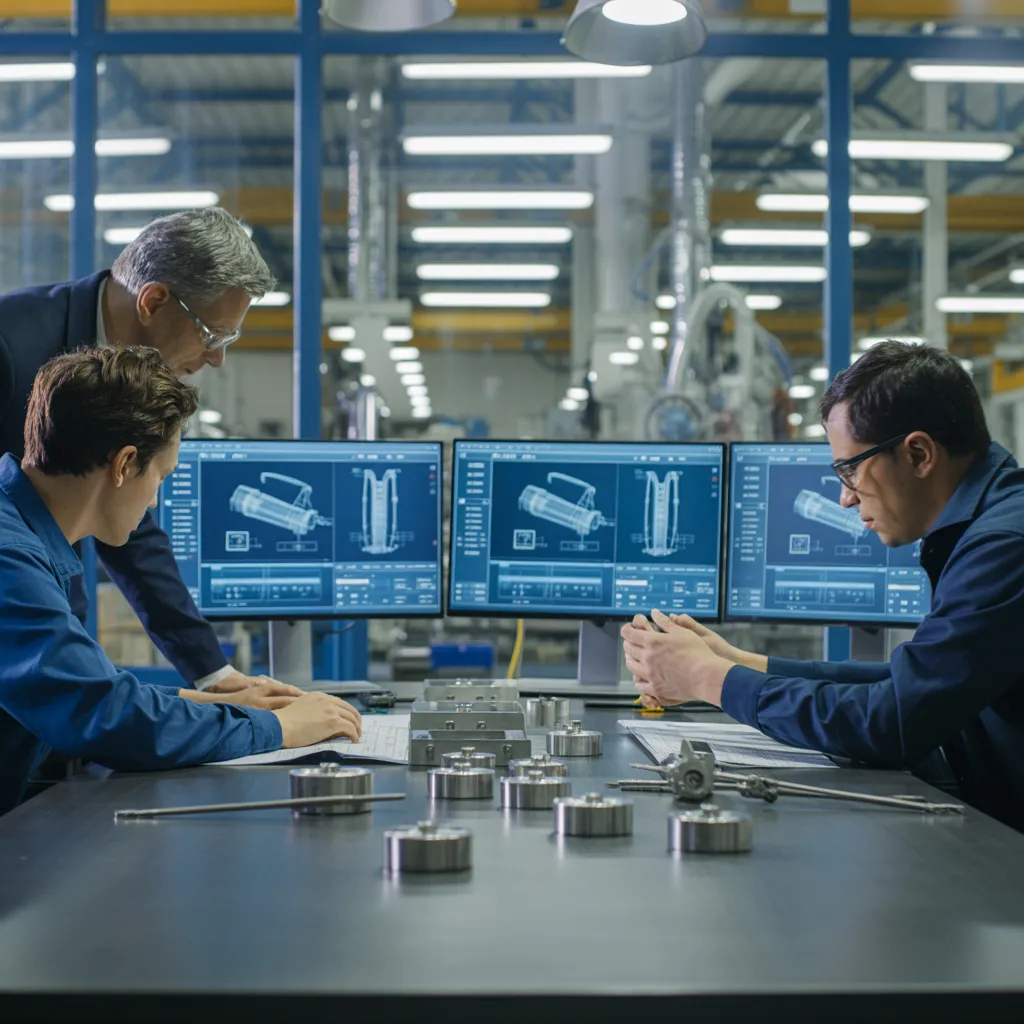
The Core Principles of Metal Casting
Metal casting acts as a fundamental process in industrial production, transforming liquid metal into solid forms. This process has been utilized for centuries, permitting artisans and manufacturers to craft components with intricate shapes and precise dimensions. The technique commences with identifying suitable metal alloys, which are afterward heated and melted at high temperatures.
Once the metal is molten, the metal is directed into molds engineered to produce the final product. These molds can be made from several material types, including metal, sand, and ceramic, depending on the required specifications and production volume.
After the metal cools and solidifies, the mold is taken away, exposing the cast object. This method provides notable benefits, such as minimized material waste and the ability to produce elaborate shapes that would be challenging to achieve through other manufacturing techniques. Grasping these fundamentals is essential for grasping the value of metal casting in modern industry.
Essential Processes in Metal Casting: Melting, Molding, and Refinement
The journey of metal casting unfolds through three essential stages: melting, shaping, and refinement. Initially, metal is heated in a furnace until it reaches a molten state, enabling easier shaping and handling. This melting stage is essential, as it determines the quality of the final product.
Following this step, the liquid metal is directed into casting molds, which mold it into defined shapes. The type of casting material—whether sand, metal, or ceramic—impacts the cast piece's surface quality and geometric accuracy.
Ultimately, refinement involves allowing the cast metal to cool and solidify, followed by procedures including polishing, heat treatment, or machining to enhance its mechanical properties. This stage guarantees the finished product satisfies exacting quality benchmarks and detailed specifications. Every one of these steps is vital, contributing to the overall efficiency and effectiveness of metal casting, culminating in superior components serving a wide range of industries.
Breakthroughs in Today's Foundry Industry
As the foundry field progresses, innovations are reshaping traditional practices, improving productivity and environmental view now responsibility. Advances in technology, like 3D printing, are revolutionizing mold production, facilitating sophisticated designs and faster turnaround times. This approach not only reduces material waste but also supports tailored solutions, fulfilling unique customer needs more efficiently.
In addition, the incorporation of automated robotics systems optimizes workflows, increasing productivity and reducing human error. Advanced manufacturing solutions, including IoT-enabled sensors, deliver instantaneous data analysis, allowing precise monitoring of operations and predictive maintenance.
Moreover, eco-friendly methods and materials are increasingly being adopted, minimizing the environmental effects of metal casting. The adoption of recycled metals and low-energy heating systems reflects a movement towards eco-conscious methods, contributing to global green initiatives. These developments together foster a stronger and more sustainable casting sector, well-positioned to meet upcoming demands while meeting the evolving needs of the market.
What Obstacles Do Casting Foundries Encounter?
What challenges do casting foundries face in an constantly changing industry? One significant challenge is the volatility of raw material prices, which can significantly strain production budgets. Moreover, environmental regulations are growing ever more demanding, forcing foundries to implement cleaner technologies to minimize environmental impact. This change necessitates significant capital investment, which can create financial pressure for smaller businesses.
Moreover, foreign manufacturer competition tends to generate price pressures, posing challenges for local foundries to preserve financial viability. These facilities also struggle with keeping pace with fast-paced technological developments, including digitalization and automated processes, which necessitate continuous investment and workforce training.
Additionally, disruptions within the supply chain, made worse by global events, present an ongoing risk, disrupting the on-time delivery of components and materials. Collectively, these challenges require foundries to remain flexible and inventive to excel within a competitive market environment.
The Importance of Skilled Workers in Casting Foundries
While automation and technology continue to reshape the production environment, skilled workers continue to serve as a foundation in foundry operations. The detailed demands of foundry work requires a depth of knowledge that technology alone cannot reproduce. Trained personnel hold the knowledge to evaluate detailed specifications, identify the right materials, and resolve challenges that emerge during the production cycle. Their hands-on experience is essential for ensuring quality control and precision, most critically in complex undertakings that require precise measurements.
In addition, skilled labor plays a significant role in sustaining and refining machinery, ensuring that production runs smoothly and efficiently. As casting methods develop, these workers are also tasked with adapting and refining techniques, incorporating modern technologies while preserving classical craftsmanship. In this fast-paced setting, the interplay between skilled professionals and technological developments is vital for maintaining the standards and dependability that characterize thriving casting foundries.
Emerging Trends in Casting: What Does the Future Hold for the Industry?
Growing developments in the casting field are set to transform its future, driven by technological progress and evolving market demands. Automation and artificial intelligence are increasingly streamlining production workflows, enhancing precision and reducing labor costs. Furthermore, the incorporation of 3D printing is transforming mold manufacturing, allowing for more complex designs and shorter production timelines.
Sustainability is emerging as a key priority as organizations work to lessen their ecological footprint. This includes using recycled materials and developing energy-efficient practices within foundries. In addition, the rising demand for lightweight materials, notably in the automotive and aerospace fields, is spurring new innovations in alloy formulation.
The industry is also witnessing a shift towards digitalization, as IoT technologies facilitate real-time monitoring and predictive maintenance. As these advancements come together, the casting field is poised to witness substantial changes, preparing itself to handle the demands of an evolving worldwide environment.
Frequently Asked Questions
What Types of Metals Are Commonly Cast in Foundries?
Frequently cast metals in foundries consist of aluminum, iron, steel, bronze, and brass. Each of these metals holds unique attributes, making them suitable for various applications, from automotive components to decorative items, demonstrating the adaptability of casting processes.
What Are the Environmental Impacts of Metal Casting?
The metal casting process impacts the environment through energy consumption, waste generation, and emissions. This process can lead to air and water pollution, while also requiring considerable resources, prompting the need for sustainable methods and technologies in the industry.
What Safety Measures Are in Place for Foundry Workers?
Foundries employ numerous safety precautions, including safety equipment, ventilation systems, regular training sessions, and rigorous compliance with safety guidelines. These measures are designed to minimize hazards and ensure a secure work environment for all staff members.
How Are Casting Defects Identified and Corrected?
Casting flaws are detected through visual inspections, dimensional checks, and non-destructive testing methods. Remediation includes adjusting processes, repairing defects, or re-casting as necessary to guarantee quality and adherence to specifications.
What Is the Typical Production Timeline for a Casting?
A standard manufacturing timeline for a casting encompasses multiple stages: mold making, pattern creation, pouring, cooling, and finishing. This procedure typically spans from several days to a few weeks, according to complexity and production volume.